About Titanium Pipe Fittings
| Wall Thickness | AS PER REQ |
| Grade | TITANIUM |
| Dimensions | AS PER REQ |
| Schedule | AS PER REQ |
| Material | TITNAIUM ALLOYS |
| Size | upto 48 inch, 3/4 inch, 2 inch, 1 inch, 1/2 inch, 3 inch |
| Application | Gas Pipe, Chemical Fertilizer Pipe, Pneumatic Connections, Structure Pipe, Hydraulic Pipe |
Titanium Buttweld Pipe Fittings
Range : 1/2" NB TO 06"NB IN SCH: 10s, 40s, 80s.
Type : SEAMLESS / WELDED/ FABRICATED
Form
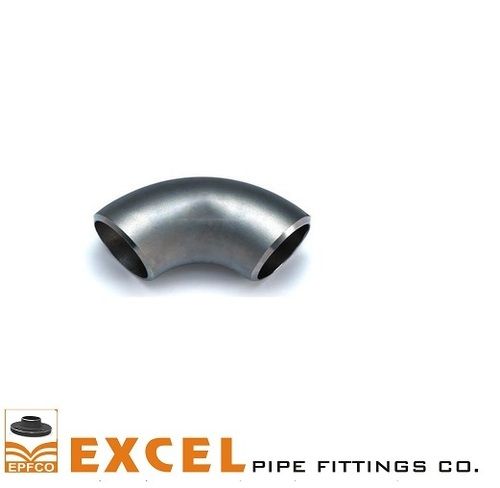
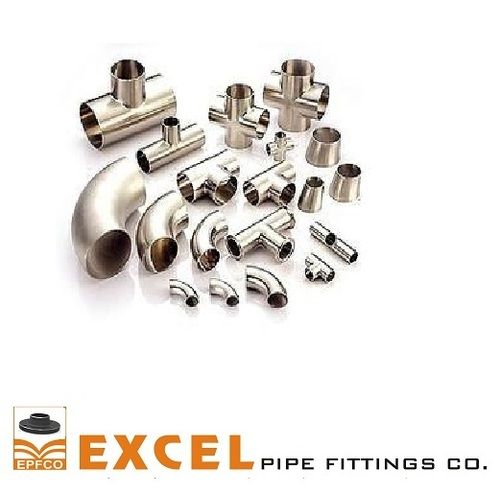
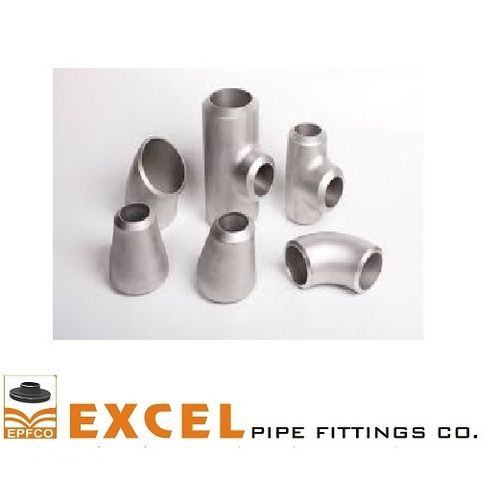
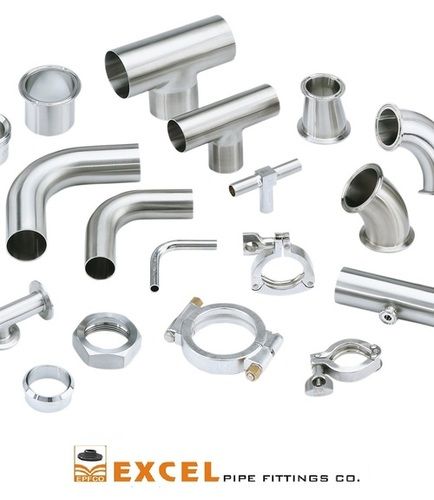
Elbows in Long & Short Radius in 45 deg, 90 deg, 180 deg.
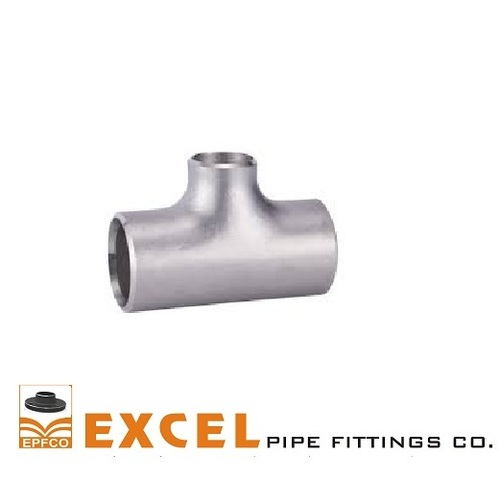
Equal, Unequal Tee
Bend
Eccentric Reducer & Concentric Reducer.
Caps & Crosses.
Long & Short Stub End.
Swage Nipple & Barrel Nipple.
Other Form
Hydraulic Fitting
Instrumentation Fitting
Pipe Fittings Standard : ASTM / ASME SB 61 / 62 / 151 / 152.
Test Certificate
Manufacturer Test Certificate as per EN 10204 / 3.1
Exceptional Corrosion ResistanceTitanium pipe fittings provide outstanding resistance to a wide spectrum of aggressive chemicals, including acids, alkalis, and chlorides. This makes them highly suitable for harsh industrial environments such as chemical processing plants, offshore marine installations, and petrochemical operations where material integrity is vital for safety and efficiency.
Versatile Connection and Sizing OptionsAvailable in various shapes (elbow, tee, reducer, coupling, etc.) and end connectionsbeveled, plain, or threadedthese fittings accommodate a broad range of pipeline configurations. They fit standard pipe diameters from 3.2 mm to 610 mm and come in thicknesses from 1 mm to 20 mm, catering to different pressure, flow, and installation requirements.
Manufacturing Excellence and ComplianceEach fitting is produced using seamless or welded methods and adheres to global standards such as ASTM B363, ASME SB363, DIN, EN, and JIS. Hydrostatic pressure testing is available upon request, ensuring rigorously validated performance. Multiple surface finishes and stringent tolerances (0.5 mm) further guarantee consistent quality.
FAQs of Titanium Pipe Fittings:
Q: How are titanium pipe fittings manufactured and what fabrication methods are available?
A: Titanium pipe fittings are manufactured using either seamless or welded fabrication methods. Seamless fittings offer a one-piece construction without joints, providing superior mechanical strength. Welded fittings are created by joining titanium sections, suitable for larger diameters. Both methods ensure compliance with international standards and are finished with pickled, polished, or sandblasted surfaces.
Q: What is the benefit of using titanium fittings in corrosive environments?
A: Titanium fittings exhibit excellent corrosion resistance, especially against acids, alkalis, and chlorides. This property makes them ideal for use in chemical processing, marine, and petrochemical industries where exposure to harsh substances could quickly degrade other metals, thereby extending operational lifespan and reducing maintenance costs.
Q: When is hydrostatic pressure testing required for these fittings and how is it conducted?
A: Hydrostatic pressure testing is typically provided upon customer request, especially for high-pressure applications. It involves filling the fitting with water or another non-compressible fluid and pressurizing it to a specified level (up to 2500 PSI), ensuring the component safely withstands operational loads without leakage or failure.
Q: Where are titanium pipe fittings commonly used?
A: These fittings are widely applied in industries such as chemical processing, petrochemical plants, marine environments, power generation, and oil & gas facilities. Their reliability, corrosion resistance, and temperature tolerance (from -253C to +400C) make them suitable for both standard and demanding applications.
Q: What types of end and thread connections can be supplied?
A: Titanium pipe fittings are available with various end connections, including beveled, plain, and threaded ends. Thread types include NPT, BSP, BSPT, and Metric, accommodating different piping standards and regional requirements. This allows for compatibility and easy integration into existing pipeline systems.
Q: How does titaniums non-magnetic and fire-resistant nature enhance safety in applications?
A: Being non-magnetic, titanium fittings are suitable for use near sensitive electronic or magnetic equipment where interference must be minimized. Additionally, their self-extinguishing fire-resistance property limits flammability, making them safer in high-temperature or fire-prone environments.
Q: What is the lead time for ordering titanium pipe fittings and how are they packaged for delivery?
A: The typical lead time ranges from 7 to 15 days, depending on the order quantity and product configuration. For protection during transport, fittings are packaged with plastic caps and bubble wrap, then placed in robust wooden cases or crates to prevent damage and ensure safe delivery globally.

 Send Inquiry



 Send Inquiry

 Send Inquiry