About Hastelloy Flanges
| Material Standard | as per std / customize / requirement as per std / customize / requirement |
| Iso Certified | yes |
| Size | >30 inch, as per req, 0-1 inch, 1-5 inch, 5-10 inch, 10-20 inch, 20-30 inch |
| Diameter (mm) | as per std / customize / requirement |
| Grade | hastelloy |
| Range (inch) | upto 60 inch |
| Material Grade | as per std / customize / requirement |
Hastelloy Flange
Range : 1/2" NB to 12" NB
Standard
ASA 150#, ASA 300# DIN ND 6,10,16,25,40 Etc.
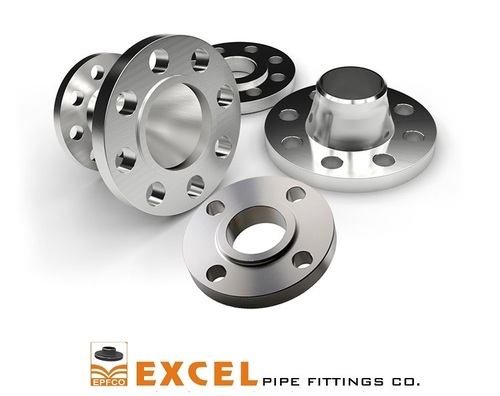
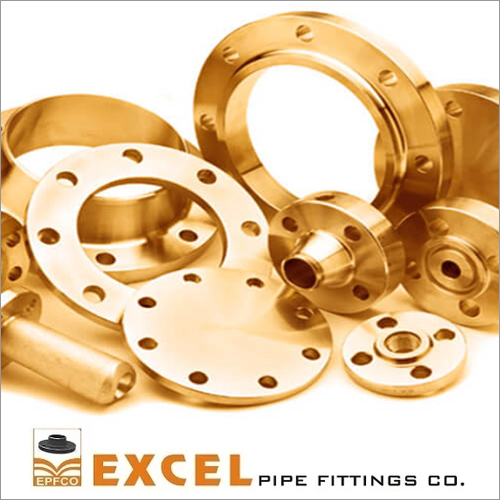
Type of Flanges
Weld Neck Flanges: WNRF
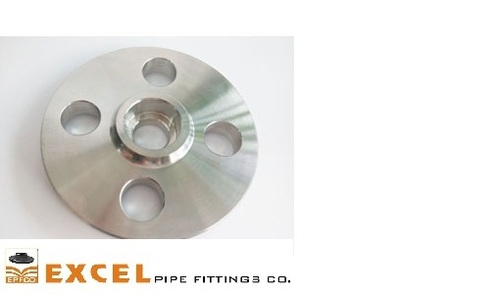
Socket Weld Flanges - SWRF
Slip On Raise Face - SORF
Blind Raise Face: BLRF
Lap Joint
Screwed (Threaded)
Long Weld Neck
Reducing
Spectacle Blind
Ring Joint
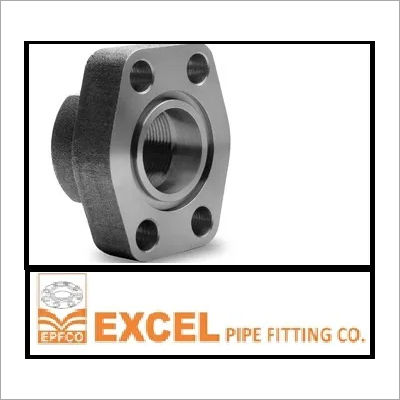
Hastelloy Flanges
Standard : ASTM / ASME SB 564 / 160 / 472Grade : Hastelloy C276 Flanges: UNS N10276
SPECIFICATIONS AS PER THE INTERNATIONAL STANDARD ASTM, ASME, API, AISI, BS, ANSI, DIN, JIS, MSSP, NACE
Test Certificate
Manufacturer Test Certificate as per EN 10204 / 3.1
Premium Quality and VersatilityOur Hastelloy flanges are crafted with high-purity nickel alloys, ensuring outstanding corrosion resistance and mechanical strength. They are offered in a variety of grades, end types, and connection styles to fit diverse industrial piping needs. Whether you require a polished, bright, or black finish, you can rely on these flanges for durability and compatibility with ANSI, DIN, JIS, EN, and other international standards.
Precision Manufacturing for Demanding ApplicationsUtilizing both open die and closed die forging as well as advanced CNC machining, each flange meets precise dimensional tolerances and surface finishes as per ASME/ASTM standards. Their temperature resistance up to 1200F (649C) makes them suitable for installations in aggressive environments where purity and performance are critical.
FAQs of Hastelloy Flanges:
Q: How are Hastelloy flanges manufactured to ensure durability and strength?
A: Hastelloy flanges are produced using open die forging, closed die forging, and CNC machining processes. These techniques provide optimal grain structure, dimensional accuracy, and high tensile strength (minimum 690 MPa), ensuring reliable performance under extreme conditions.
Q: What industries commonly use Hastelloy flanges and why?
A: Industries such as chemical processing, oil and gas, petrochemical, power generation, pharmaceuticals, and food processing utilize Hastelloy flanges for their superb resistance to corrosion, high strength, and durability in demanding and corrosive environments.
Q: When should I consider using flat face (FF), raised face (RF), or ring type joint (RTJ) end types?
A: The choice depends on application and sealing requirements. FF is suitable for low-pressure systems, RF is widely used for moderate to high pressures, and RTJ provides superior leak resistance in high-pressure or high-temperature situations.
Q: Where can Hastelloy flanges be installed?
A: These flanges are suitable for installation in various locations such as chemical plants, oil refineries, petrochemical complexes, power stations, pharmaceutical factories, and food processing facilities due to their chemical compatibility and strength.
Q: What are the benefits of selecting Hastelloy grades like C22, C276, or B2 for flanges?
A: Grades like C22, C276, and B2 offer tailored properties such as excellent resistance to a wide range of aggressive chemicals, high mechanical strength, and long service life, making them ideal for severe service conditions.
Q: How do I choose the appropriate connection type for my piping system?
A: The selection depends on your systems requirementsoptions include welded, screwed, slip-on, socket welded, threaded, blind, lap joint, and orifice types. Each has unique advantages regarding installation ease, maintenance, and pressure containment.

 Send Inquiry



 Send Inquiry

 Send Inquiry